

rhubarb curd is my go to fix when spring rhubarb shows up and I suddenly want something bright, tart, and spoonable for literally everything. If you have a pile of stalks in the fridge and you are tired of pie, this is the kind of recipe that feels like a little kitchen win without much effort. I keep it in a jar and sneak a spoonful straight from the fridge, no shame. If you are on a rhubarb kick too, you will probably want to bookmark my rhubarb recipes page because it is where I stash all my favorites. This spread is silky, punchy, and honestly easier than it sounds once you see the steps.
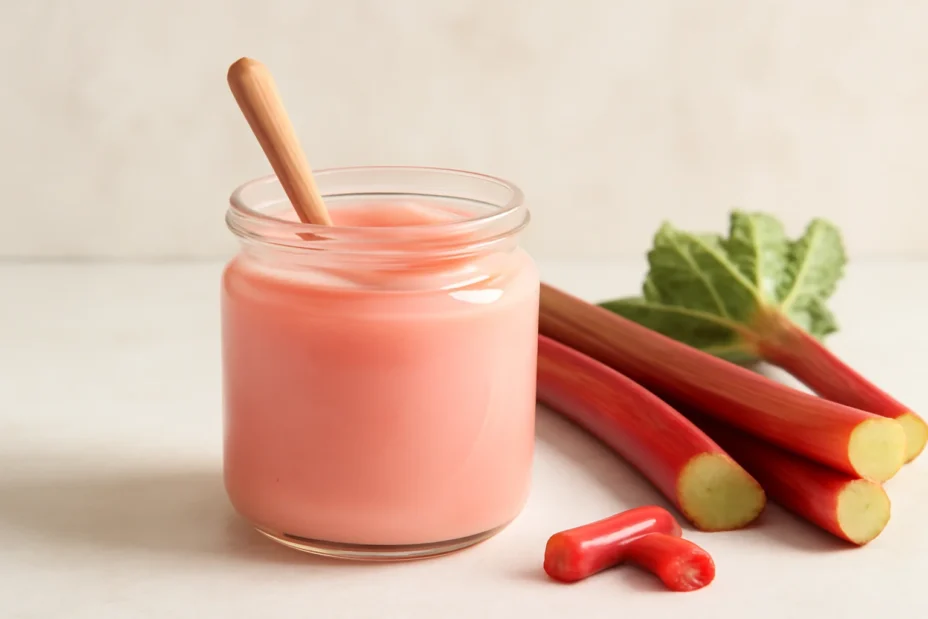
Table of Contents
Intro and what rhubarb curd is
Think of rhubarb curd like lemon curd’s spring cousin. It is a smooth, thick spread made by gently cooking rhubarb puree with sugar, eggs, and butter until it turns glossy and spoon coating. The flavor is tart and fruity, with that distinct rhubarb edge that tastes like sunshine plus a tiny bit of attitude.
I love it because it feels fancy but it is built on simple basics. No tricky baking, no crust drama, just a saucepan and a whisk. And once you make it once, you will start finding excuses to make it again.
Ingredients
Here is what you need. Nothing weird, and you can find it all at a regular grocery store.
- Fresh rhubarb, chopped (frozen works too, more on that later)
- Sugar (regular white sugar keeps the color bright)
- Pinch of salt
- Egg yolks plus 1 whole egg (for structure and silkiness)
- Unsalted butter, cut into small cubes
- Optional: a little vanilla, orange zest, or a tiny splash of lemon juice
That is it. The rhubarb gives the flavor, the eggs thicken it, and the butter makes it taste rich and smooth. If you want more rhubarb ideas for dessert, my no bake rhubarb cheesecake is one of those recipes that disappears fast at gatherings.
Tempering explained
Tempering sounds like a culinary word that should come with a chef hat, but it is really just a way to keep eggs from turning into scrambled bits. When you add hot liquid to eggs too quickly, they cook on the spot. Tempering is how you warm the eggs gently first.
How I temper eggs without stress
Here is the simple version:
Whisk your egg yolks and whole egg in a bowl. In the pot, you will have hot rhubarb mixture. Take a ladle (or a measuring cup) of the hot mixture and slowly drizzle it into the eggs while whisking the whole time. Do that one or two more times. Now the eggs are warmed up and you can pour the egg mixture back into the pot without panic.
If you see a few tiny bits anyway, do not toss it. You can strain the finished curd through a fine mesh sieve and it will be silky again. I have saved many batches that way.
Why using a scale helps
I am not here to tell you that you must use a kitchen scale, but for rhubarb curd it really does make your life easier. Rhubarb stalks vary a lot. Some are thick and watery, some are skinny and more intense. Measuring by weight gives you the same results each time, which means the thickness and tartness stay predictable.
If you have ever made curd and thought, why is this batch runny and last time it was perfect, this is often the reason. A scale also makes it easier to adjust the sugar. If your rhubarb is extra tart, you can add a little more sugar without guessing what volume you started with.
One more thing, if you want a baked treat that also benefits from measuring well, try my cinnamon swirl rhubarb bread. It is cozy and tender, and it makes your kitchen smell amazing.
Separating eggs properly
Egg separation is one of those tiny steps that can make you feel weirdly accomplished. For this recipe, clean separation matters because any yolk in your whites is no big deal, but any shell bits or too much white in your yolks can change texture slightly.
My easy method: crack the egg into a small bowl first. Then use your hands to lift out the yolk and let the white slip through your fingers, or pass the yolk back and forth between shell halves. If a bit of shell falls in, fish it out with the bigger piece of shell. It works better than a spoon, I swear.
If you are worried about wasting whites, save them for a quick omelet, meringue cookies, or even a batch of pancakes. No need to toss them.
Using a thermometer for perfect texture
This is my secret weapon for curd that turns out thick and silky every time. You do not need a fancy thermometer, just one that reads quickly and accurately. Curd thickens in a specific temperature range, and once you hit it, you are done.
Aim for about 170 to 175 F. At that point the eggs are cooked safely and the mixture should look glossy and slightly thickened. It will thicken even more as it cools.
Important tip: keep the heat on low to medium low and whisk constantly. If you crank the heat, you risk overcooking the eggs. Also, scrape the bottom and corners of the pot while whisking. That is where sneaky bits like to stick.
“I made this on a rainy Sunday and it turned out smooth and bright, not grainy at all. I used it on toast and then later on yogurt, and my family kept asking what that pink jar was.”
Once you nail the temperature, rhubarb curd becomes one of those recipes you can do on autopilot.
Notes and tips
A few things I have learned after making this more times than I can count:
Cook the rhubarb first: I simmer chopped rhubarb with a small splash of water until it collapses, then blend it smooth. If you want it extra refined, strain the puree before making the curd, but I usually do not bother unless the stalks were very fibrous.
Strain at the end for silk: Even if you are careful, straining the finished curd through a fine mesh sieve makes it feel bakery level smooth.
Butter goes in off heat: Once the curd hits temp, take the pot off the heat and whisk in butter cubes. This keeps the texture velvety and helps prevent splitting.
Color will vary: Some rhubarb turns the curd a soft peach, some makes it more pink. It depends on the variety, so do not chase a specific shade.
If you are a curd person in general, you might also like this vegan cranberry curd tart. Different fruit, same tangy vibe.
How to serve rhubarb curd
This is the fun part because it goes way beyond toast. I keep a jar in the fridge and it magically disappears.
My favorite ways to use it
- Swirled into plain yogurt with granola
- Spread on toast, biscuits, scones, or English muffins
- Spooned over vanilla ice cream
- As a cake filling or cupcake center
- Layered in a parfait with whipped cream and crushed cookies
- Dolloped on pancakes or waffles
It is also ridiculous with anything creamy. If you are planning a spring dessert table, a spoonful of rhubarb curd next to cheesecake is a power move. If you want another rhubarb treat for a brunch spread, check out my baked rhubarb fritters. The crackly glaze is the kind of thing people talk about.
Storage guidance
Once your rhubarb curd is done, pour it into a clean jar while it is still warm. Press a piece of plastic wrap directly on the surface if you want to prevent a skin, then lid it once it cools a bit.
In the fridge, it keeps well for about 7 to 10 days. Always use a clean spoon, because little crumbs can shorten the shelf life.
Yes, you can freeze it. Freeze in a freezer safe container with a little space at the top. It is best within 2 to 3 months. Thaw overnight in the fridge and whisk it to bring back the smooth texture.
If it looks separated after thawing, a quick whisk usually fixes it. If it still seems off, strain it and whisk again.
Common Questions
Can I use frozen rhubarb?
Yes. Thaw it first and drain off excess liquid if it seems super watery. The flavor is still great, just sometimes a bit lighter.
Why is my curd runny?
Most of the time it just did not cook long enough or it did not reach that 170 to 175 F range. Remember it thickens more as it chills, so judge it after a few hours in the fridge.
Do I have to strain it?
No, but straining makes rhubarb curd extra smooth. If you want that silky, fancy texture, it is worth the extra minute.
Can I make it less tart?
Absolutely. Add a little more sugar, or serve it with something creamy like yogurt or whipped cream to mellow the tang.
Is it safe with eggs?
Yes, as long as you cook it properly. Hitting 170 F is the easy safety checkpoint, and it also gives you the right thickness.
A sweet little spring habit worth keeping
If you have never made rhubarb curd, I really think you will surprise yourself. It is a simple saucepan recipe that tastes like you spent way more effort than you did. Keep the heat gentle, whisk patiently, and use that thermometer if you can. Once you have a jar in the fridge, you will find a dozen ways to use it, and none of them are wrong. Don’t forget to check out my Pinterest board for more recipes.
Print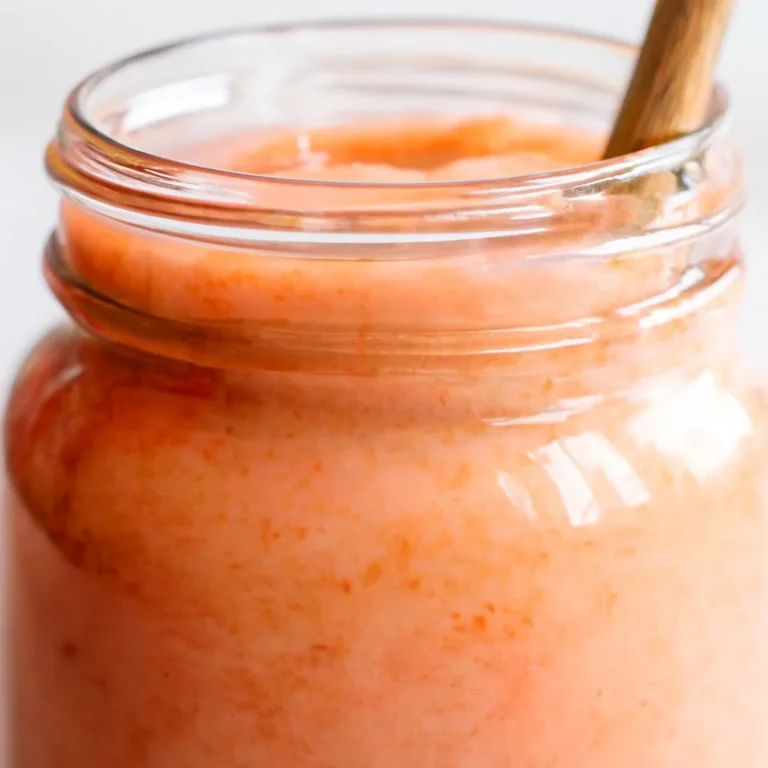
Rhubarb Curd
A smooth, silky spread made with fresh rhubarb, perfect for topping toast, yogurt, and desserts.
- Total Time: 35 minutes
- Yield: 2 cups 1x
Ingredients
- 2 cups fresh rhubarb, chopped
- 1 cup sugar
- Pinch of salt
- 3 egg yolks plus 1 whole egg
- 1/2 cup unsalted butter, cut into small cubes
- Optional: Vanilla, orange zest, or a splash of lemon juice
Instructions
- Simmer chopped rhubarb with a small splash of water in a saucepan until soft.
- Blend the rhubarb to a smooth puree and set aside.
- Whisk egg yolks and whole egg in a bowl.
- Drizzle hot rhubarb mixture into the eggs slowly while whisking to temper.
- Return the egg and rhubarb mixture to the saucepan.
- Cook over low heat, whisking constantly, until thickened (170-175°F).
- Remove from heat and whisk in butter until smooth.
- Strain the mixture through a fine mesh sieve for extra smoothness.
- Pour into a clean jar and cool before storing in the fridge.
Notes
Store in the fridge for 7 to 10 days, or freeze for up to 3 months. Always use a clean spoon for serving.
- Prep Time: 15 minutes
- Cook Time: 20 minutes
- Category: Dessert
- Method: Stovetop
- Cuisine: American
- Diet: Vegetarian
Nutrition
- Serving Size: 1 tablespoon
- Calories: 120
- Sugar: 22g
- Sodium: 50mg
- Fat: 5g
- Saturated Fat: 3g
- Unsaturated Fat: 2g
- Trans Fat: 0g
- Carbohydrates: 19g
- Fiber: 1g
- Protein: 1g
- Cholesterol: 80mg


No comment yet, add your voice below!