

If you love pizza, mastering Neapolitan style pizza crust is essential. Perfectly chewy and charred, this recipe brings authentic flavor into your kitchen. Ideal for weeknight dinners, cozy weekend gatherings, or even meal prep, you’ll impress everyone with your skills. Learn how hydration and fermentation create a unique texture for that ultimate crust.
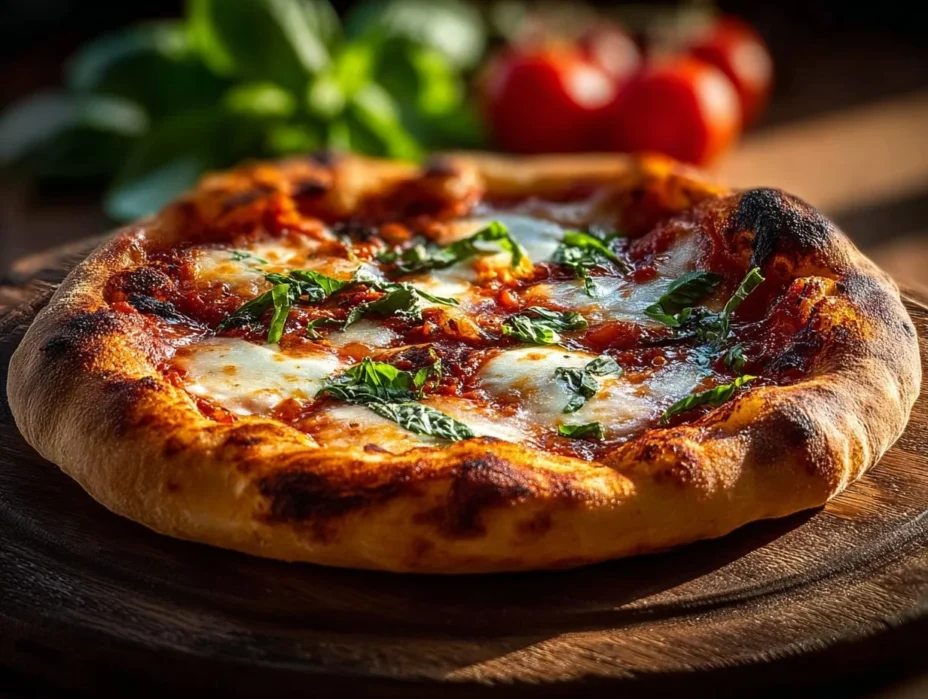
Table of Contents
Recipe at a Glance
| Best for | Any pizza lover |
|---|---|
| Difficulty | Intermediate |
| Total time | 1 to 3 days (including fermentation) |
| Servings | Makes about 4 individual pizza crusts |
| Key tip | Allow time for fermentation to develop flavor |
| Smart swap | Substitute bread flour for a chewier texture |
Perfecting Your Neapolitan Crust Step by Step
Creating a Neapolitan style pizza crust at home may seem daunting, but with the right approach, it becomes straightforward. Understanding the importance of dough hydration and fermentation can elevate your crust. Let’s dive into the ingredients you’ll need for that authentic touch!
Gathering Essential Ingredients
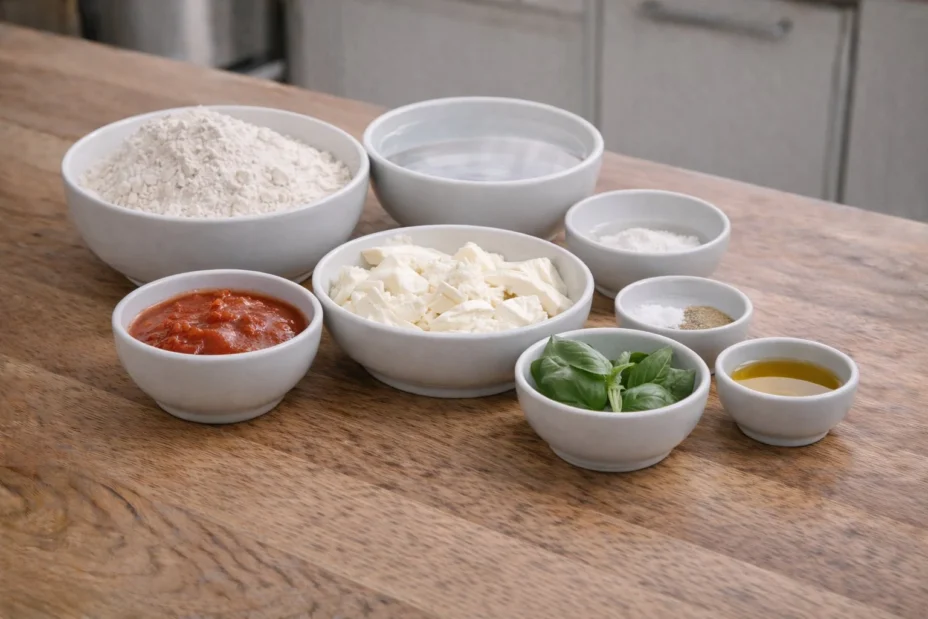
The journey to crafting an exceptional Neapolitan pizza crust starts with the right ingredients. Essential components include flour, yeast, salt, water, and a few optional toppings. These simple ingredients create extraordinary flavors and textures.
| Ingredients | Quantity |
|---|---|
| 00 flour or strong bread flour | 3 ¾ cups |
| Cold water | 1 ½ cups |
| Fine sea salt | 2 tsp |
| Instant yeast | ¼ tsp |
| Crushed San Marzano-style tomatoes | ½ cup |
| Fresh mozzarella, torn | 6 oz |
| Fresh basil leaves | 6–8 leaves |
| Olive oil (optional, for finishing) | 1 tsp |
Step 1: Mixing the Dough
Start by mixing the 00 flour or strong bread flour, instant yeast, and fine sea salt together in a large bowl. Gradually add the cold water while stirring to combine all the ingredients into a shaggy mass. This step is crucial as it hydrates the flour and activates the gluten. Be sure not to overmix at this stage, simply bring it all together until combined.
Step 2: Resting the Dough
Once your dough is mixed, let it rest uncovered for 20 minutes. This resting period, known as autolyse, helps develop the gluten structure, making it easier to knead later. After 20 minutes, knead the dough briefly until smooth, about 2-3 minutes. You want to achieve a cohesive ball without overworking it.
| Prep Time | Cook Time | Store Time | Nutritional Values |
|---|---|---|---|
| 25 minutes | 6-7 minutes | Up to 72 hours | Approx. 200 calories per crust |
Step 3: Fermentation and Shaping the Crust
After your initial kneading, cover the bowl and place the dough in the fridge to ferment. Allow it to sit for anywhere from 24 to 72 hours. This slow fermentation process is what develops the flavor and texture of your crust. Once ready, take the dough out of the fridge, divide it into portions if making multiple crusts, and let it come to room temperature for about 2 hours.
To shape the crust, gently stretch the dough by hand, preserving the thickness around the edge, known as the cornicione. Avoid using a rolling pin, as this can deflate the air pockets you’ve built during fermentation, which is key for that chewy texture.
Setting the Stage: Baking Your Pizza
Baking your Neapolitan pizza crust is just as important as the preparation. The high heat and duration are critical to achieving that perfect puff and char. Here’s the process to ensure you get it right.
Setting Up Your Oven
Preheat your oven to a blazing 500 degrees Fahrenheit with a pizza stone or steel inside. This needs to heat for at least 45 minutes to ensure it’s scorching hot when you add your pizza. The intense heat will create a crispy, charred crust almost immediately, so be prepared.
Assembling Your Pizza
Before baking, top your stretched pizza dough with the crushed San Marzano-style tomatoes, spreading them evenly but not overloading. Then, add the torn mozzarella evenly across the sauce. Finally, top with fresh basil leaves for extraordinary flavor. Optionally, drizzle a little olive oil before serving for an extra touch of richness.
Time to Bake
Carefully transfer your pizza onto the preheated stone or steel, and bake for 6–7 minutes. Keep an eye on it, as you want the crust to puff up and develop that beautiful char. You’ll know it’s done when the edges are golden and crispy.
Equipment Needed
- Large mixing bowl
- Pizza stone or steel
- Oven
- Rolling pin (optional)
- Spatula or pizza peel
Why You Will Love This Recipe
Neapolitan Style Pizza Crust will change your pizza-making game forever. The chewy, airy texture is satisfying with every bite. I adore how this crust captures the flavor of traditional Italian pizza.
Flavorful Simplicity
This recipe embraces the beauty of simple ingredients. With just flour, water, salt, and yeast, you can create a crust packed with flavor. It’s hard to resist the aroma alone.
Perfect for Sharing
Making Neapolitan pizza is a fun activity for gatherings. I love having friends over to build their own pizzas before we enjoy them fresh out of the oven. It’s always a hit.
Impressive Look
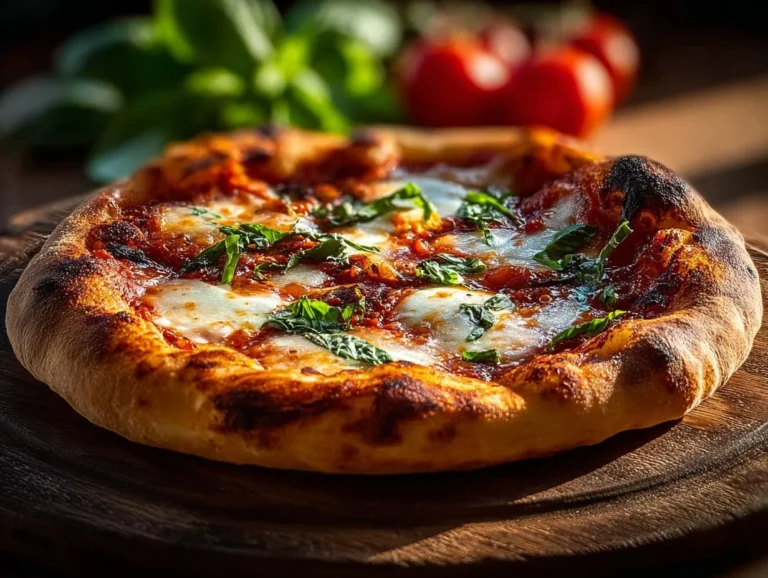
A perfectly baked Neapolitan crust looks stunning with its charred edges and puffy center. It’s hard not to show this off as the centerpiece of your next dinner party.
Mastering the Technique
Through this recipe, I mastered the art of fermentation to enhance flavor. Plus, you’ll learn easy stretching techniques that any home cook can master with practice. Check out another amazing pizza recipe.
Creative Variations, Serving, and Storage Ideas
As much as I love a classic Neapolitan pizza, it’s fun to experiment. Here are some ideas to elevate your homemade pies!
Gourmet Toppings
Switching up your toppings can take this pizza to the next level. Consider adding arugula and prosciutto for a gourmet touch or even a white pizza with ricotta and garlic. Experimenting with seasonal ingredients is fun too!
Flour Alternatives
If you’re looking for gluten-free options, try using gluten-free flour blends that are designed for pizza crust. While the texture might vary, the flavor can still be delightful. Explore other gluten-free options.
Serving Suggestions
Serve your Neapolitan pizza with a simple green salad or a refreshing antipasto platter for a balanced meal. This pairing enhances the overall dining experience by incorporating fresh flavors alongside your pizzas. Try a simple Greek pasta salad as a side!
Storing and Reheating Tips
To keep your crust fresh, store any leftover pizza in an airtight container in the fridge. Reheat in the oven or on a hot skillet for the best texture, ensuring it stays crispy.
| Idea | Best for | How to do it |
|---|---|---|
| Gourmet toppings | Elevated meals | Experiment with seasonal ingredients. |
| Flour alternatives | Gluten-sensitive eaters | Use gluten-free flour blends designed for crusts. |
| Refreshing greens | Add variety | Pair with green salads or antipasto. |
| Proper storage | Extended freshness | Store in an airtight container and reheat on skillet. |
Common Mistakes to Avoid + Pro Tips for Success
Starting the journey to perfect Neapolitan pizza crust can lead to a few common pitfalls, but don’t worry; I learned them the hard way! Here’s what to look out for.
Common mistakes to avoid
Mistake: Using all-purpose flour instead of 00 flour can lead to a different texture. Use 00 flour for the best result. Mistake: Baking without a preheated stone or steel can yield a soggy crust. Always preheat before adding your pizza. Mistake: Overloading toppings can weigh down the crust. Keep toppings simple for perfect texture.
Pro tips for success
Tip: Allow your dough ample time to ferment to enhance flavor and texture. Tip: Use room temperature water for proper activation of your yeast. Tip: Invest in a pizza stone or steel for optimal cooking results. This enhances the final outcome significantly. Always remember that the most important takeaway is to enjoy the process and the delicious results.
More Recipes You Can Try Next
If you enjoyed this Neapolitan style pizza crust recipe, you will love trying more inspired dishes!
| Recipe Link | Brief descriptor |
|---|---|
| Crispy Tortilla Pizza | Quick and easy pizza made with a tortilla base. |
| Naan Bread Pizza | Delicious and unique use of naan for quick pizzas. |
| Sweet Potato Egg Casserole | A delightful breakfast treat to pair with your pizza. |
Final Thoughts
Creating Neapolitan style pizza crust at home is a rewarding culinary journey. Your dessert-like crust, adorned with fresh toppings, will make pizza nights a delight. I remember trying this crust for the first time and feeling like a professional chef in my kitchen. Share this recipe with friends and family, and let them taste your creation. I constantly find inspiration from fellow pizza lovers, and I encourage you to continuously experiment. Don’t forget to document your cooking adventures and share on social media. Join me and discover even more recipes on Pinterest.
FAQ
What makes Neapolitan pizza crust different?
Neapolitan pizza crust is distinctive due to its unique texture. Made with high-protein flour and low yeast, it’s fermented for a longer time, giving it a chewy inner bite and a soft, charred exterior. The baking technique and temperatures used also set it apart from other pizza styles.
How long should I let the pizza dough rise?
For optimal flavor and texture, let the pizza dough ferment in the refrigerator for 24 to 72 hours. This slow fermentation process enhances the dough’s flavor significantly, resulting in a more authentic Neapolitan crust.
Can I use all-purpose flour for Neapolitan pizza?
While all-purpose flour can be used, it won’t yield the same chewy texture and flavor as 00 flour or strong bread flour. The protein content in 00 flour is higher, which is essential for achieving that classic Neapolitan crust.
What toppings go well with Neapolitan pizza?
Classic Neapolitan pizza typically features minimal toppings such as crushed San Marzano tomatoes, fresh mozzarella, fresh basil, and a drizzle of olive oil. You can experiment with different combinations, like arugula and prosciutto, while sticking to the authentic style.
How do I store leftover pizza?
To preserve leftover pizza, place it in an airtight container and store it in the refrigerator. It’s best to reheat in an oven or skillet to maintain the crust’s texture, rather than using a microwave.
Neapolitan Style Pizza Crust
Master the art of Neapolitan style pizza crust at home with this authentic recipe that promises a perfectly chewy and charred result.
- Total Time: 4320 minutes
- Yield: 4 individual pizza crusts 1x
Ingredients
- 3 ¾ cups 00 flour or strong bread flour
- 1 ½ cups cold water
- 2 tsp fine sea salt
- ¼ tsp instant yeast
- ½ cup crushed San Marzano-style tomatoes
- 6 oz fresh mozzarella, torn
- 6–8 leaves fresh basil leaves
- 1 tsp olive oil (optional, for finishing)
Instructions
- Mix the 00 flour or strong bread flour, instant yeast, and fine sea salt in a large bowl. Gradually add the cold water while stirring until a shaggy mass forms.
- Let the dough rest uncovered for 20 minutes (autolyse) to develop the gluten structure. Then knead briefly for 2-3 minutes until smooth.
- Cover and place the dough in the fridge to ferment for 24 to 72 hours.
- Divide the dough into portions if making multiple crusts, and let it come to room temperature for 2 hours.
- Preheat your oven to 500°F with a pizza stone or steel inside for at least 45 minutes.
- Stretch the pizza dough by hand, keeping the edges thick. Avoid using a rolling pin.
- Top with crushed San Marzano-style tomatoes, torn mozzarella, and fresh basil leaves. Optionally drizzle with olive oil.
- Carefully transfer to the preheated stone or steel and bake for 6-7 minutes or until the edges are golden and crispy.
Notes
Allow ample time for fermentation to enhance flavor and texture. Use room temperature water when activating the yeast.
- Prep Time: 25 minutes
- Cook Time: 7 minutes
- Category: Main Course
- Method: Baking
- Cuisine: Italian
- Diet: Vegetarian
Nutrition
- Serving Size: 1 crust
- Calories: 200
- Sugar: 2g
- Sodium: 500mg
- Fat: 3g
- Saturated Fat: 0.5g
- Unsaturated Fat: 2g
- Trans Fat: 0g
- Carbohydrates: 38g
- Fiber: 1g
- Protein: 6g
- Cholesterol: 5mg





No comment yet, add your voice below!